Aortic Bypass Surgery

This is a serious condition that affects many people worldwide. Despite this condition, some patients lead normal lives by making lifestyle changes. Aortic Bypass Surgery is performed to relieve arterial blockages, as this condition may affect the limbs and the patient’s overall health.

Advanced aortic bypass surgery treatment

Condition Overview

This surgery has been performed on patients with serious aortic artery blockage. It’s a vascular treatment to remove major arterial obstructions that supply blood to the lower body. So, you can imagine if the blood to the major blood vessels in the leg is blocked, it’s a serious condition, and the patient will have difficulty walking.

This disease is common in the aorta and iliac arteries, leading to a reduced blood supply to the legs and surrounding regions.

Aortofemoral Bypass Surgery is one of the procedures frequently performed in this category and is undertaken to divert blood flow from the aorta to the femoral artery. This enhances blood circulation and alleviates symptoms caused by limited blood supply. It is necessary to see an aortic bypass surgery specialist to assess the situation and decide the most appropriate treatment plan.

Symptoms & Causes

The symptoms may be progressive over time in patients who undergo aortic bypass and experience a lack of blood supply. These symptoms can be highly associated with everyday functioning and the quality of life.

Aortic and arterial blockages are usually the result of long-term damage to blood vessels. There are several risk factors for this condition:

Symptoms

Leg pain or cramping during walking.

Lower limb weakness or fatigue.

Coldness of legs or feet.

Wounds or ulcers are slow to heal.

Weak or no pulses in the legs.

Erectile dysfunction in some cases

Causes

Atherosclerosis, causing plaque build-up in arteries

Smoking is very harmful to vascular health.

Diabetes affects blood circulation.

High cholesterol levels

High blood pressure

Sedentary lifestyle

The effects of these factors include arterial constriction, which limits blood circulation and increases the use of surgeries such as Aortofemoral Bypass Surgery.

Diagnosis

In this case, the doctor or surgeon has to make the correct diagnosis. If a bypass surgery is not required and the specialised medical practitioner suggests it for you or your loved one, whoever is the patient, it’s unnecessarily going to cost you a lot of pain, agony and money.

Diagnostic methods may include:

  • Only a specialist can properly evaluate the symptoms and perform a thorough physical examination.
  • Doppler ultrasound to assess blood flow.
  • Detailed imaging, CT angiography, or MR angiography.
  • Various blood tests are used to determine the patient’s actual health status.

Such tests are used to ensure that the diagnosis is accurate and to develop a safe and effective treatment plan.

Patient consultation for aortic bypass surgery

Treatment Options

The treatment of severe arterial blockage varies depending on the extent of the disease and the patient’s overall health. Although in its initial phases it can be treated conservatively, in advanced stages, surgery may be necessary.

Aortofemoral Bypass Surgery

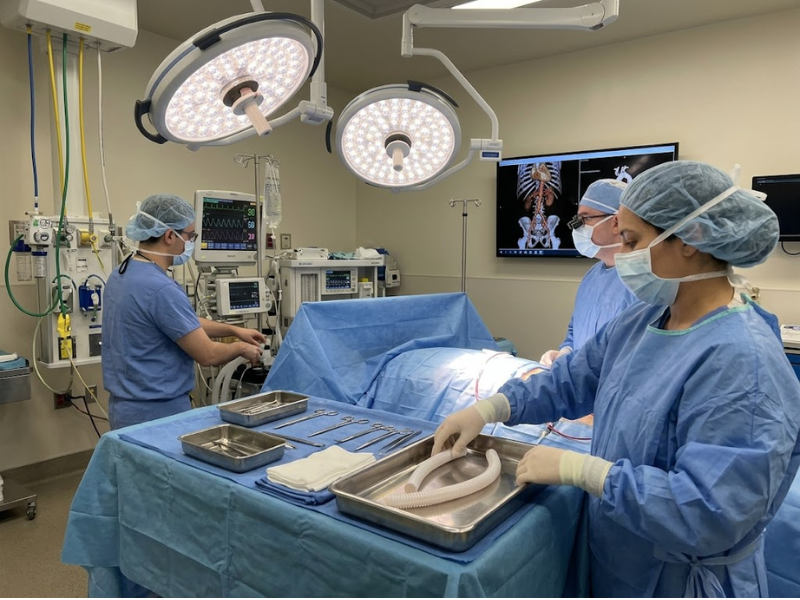
“Surgery is always the gold standard.” In this type of treatment, an artificial graft is inserted to bypass the arterial obstruction. It will deal with only the affected section of the artery. .

Minimally Invasive Procedures

In cases where possible, angioplasty and stenting can be used to open constricted arteries without open surgery.

Medical Management

Drugs can be used to manage blood pressure and cholesterol, and to prevent the formation of clots and further blockage. The appropriate treatment is a matter of personal consideration and advice from qualified practitioners, such as Top Vascular Surgeons in Vadodara, to carry out an Aortofemoral Bypass.

Recovery and Care

A person who has undergone aortic bypass surgery must be carefully monitored and follow the medical guidance to recover. Recovery time varies by person and the nature of the surgery.

Post-operative care consists of the following:

Why Choose Dr. Hiten Patel

12 Yrs+
Experience

Expert in advanced vascular care.

10,000+ Successful Operations

Excellence in every surgery.

8,200 + Satisfied Patients

Quick recovery, pain-free.

6,500 + Families Trust

Detailed explanations, caring nature.

Advanced & Minimally Invasive Treatments

Laser Treatment – Precise, effective, and quick recovery

Radiofrequency Ablation (RFA) – Minimally invasive with less pain

Glue Treatment – No cuts, faster healing, and minimal downtime

Why Patients Prefer Him

Transparent consultation and honest guidance

Focus on long-term results, not temporary fixes

Comfortable experience for both patients and families

Trusted vascular specialist in Vadodara

Care That Goes Beyond Treatment

Dr. Hiten Patel combines clinical precision with compassionate care, ensuring every patient feels supported throughout their treatment journey. His approach is focused on delivering not just results, but reassurance and lasting relief.

Take Charge Of Your Vascular Health Today

Expert Diagnosis. Advanced care. better outcomes.

Expert
Care

Trusted Vascular Specialists

Advanced
Treatment

Minimally Invasive
& effective

Better
Outcomes

Personalized care
for lasting results.

Frequently Asked Questions

1. What is aortic bypass surgery?
It is a surgical procedure that restores blood circulation by bypassing blocked arteries in the abdomen and legs.
This procedure may be necessary in patients with severe aortic or iliac artery blockages, leading to reduced blood flow to the legs.
Yes, it is a significant operation that requires planning and execution, but it effectively enhances blood flow.
Recovery time varies but generally includes a few weeks of rest followed by a gradual return to normal activities.

Minimally invasive procedures, such as angioplasty, may be considered in certain cases depending on the severity of the condition.