Peripheral Vascular Disease (PVD)

Peripheral vascular disease is a frequent complaint among older adults, but nowadays many conditions are starting at a slightly earlier age. This condition means the blood flow to the limbs is restricted, which may lead to leg immobility or discomfort.

Advanced vascular assessment for peripheral vascular disease

Condition Overview

Peripheral vascular disease is a condition in which the blood supply to the limbs (particularly the legs) becomes limited. Now this may be caused by obstruction or constriction of blood vessels. Obviously, if blood circulation to the limbs decreases, it’ll create problems. So, do not ignore such conditions; if detected early, solutions are available. If not, it becomes difficult even for the medical practitioner.

The condition usually develops gradually and may go unnoticed in its early stages. However, timely medical attention is important to prevent progression. Patients seeking treatment for peripheral vascular disease in Vadodara can benefit from early diagnosis and appropriate care. Consulting a peripheral vascular disease specialist helps in understanding the severity of the condition and selecting the right treatment approach.

Symptoms & Causes

Peripheral vascular disease occurs when narrowed arteries reduce blood flow, causing symptoms that worsen during exercise and improve with rest. The severity of decreased blood flow and several risk factors influence the development and progression of PVD.

Symptoms

Sensations of pain or cramping in the legs during walking (claudication)

One leg is colder than the other.

Slow healing wounds or foot ulcers slowly.

Alterations in skin colour or surface.

Loss of hair or brittle/thickened nails.

Weakness or numbness of lower limbs.

Causes

Deposition of fatty deposits in blood vessels (atherosclerosis)

Smoking damages blood vessels.

Diabetes affecting circulation

High blood pressure

High cholesterol levels

Sedentary lifestyle

These symptoms should not be overlooked, as they can develop the condition, so the consultation should be done as soon as possible. These issues limit appropriate blood flow, underscoring the importance of prompt care for peripheral vascular disease in Vadodara.

Diagnosis

Doctors can’t say anything about any condition randomly. They have to conduct a thorough examination to find out the condition called PVD. For this purpose, blood flow needs to be studied to determine whether any obstructions are present. After all these examinations, only a peripheral vascular disease specialist can conclude your individual case.

Common diagnostic techniques are:

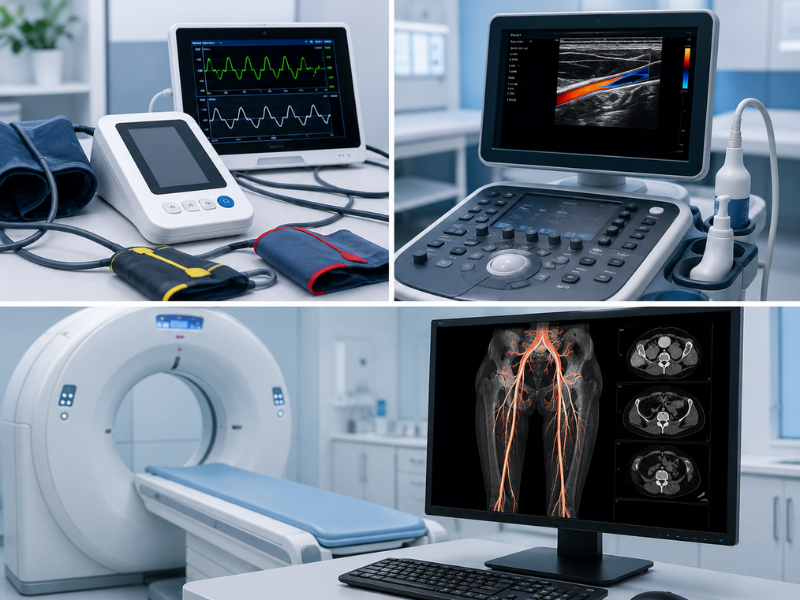
  1. Blood pressure in the legs and arms is measured using the ankle-brachial index.
  2. Blood flow is examined with a Doppler ultrasound.
  3. Imaging CT angiography (only if required).


Peripheral vascular disease symptoms and blood flow restriction illustration

The tests help assess the severity of peripheral vascular disease and select the most appropriate treatment.

Treatment Options

Treatment of PVD aims to improve blood circulation, alleviate symptoms, and prevent complications. The severity of the disease determines the treatment plans.

Lifestyle Modifications

If you are a smoker, you have to stop; if you are not used to exercise, you have to start, and a change in diet is inevitable to increase blood circulation to your limbs.

Medications

It’s all in your hands: lifestyle alterations are a must, along with those medications for high cholesterol and diabetes, and preventive measures to reduce clots, which can help reduce discomfort and increase blood flow.

Minimally Invasive Procedures

Sometimes advanced procedures like stenting or angioplasty may be required to open blocked arteries.

Surgical Treatment

Sometimes the only solution is a bypass surgery, which you might have heard of before, to open clogged arteries.

Recovery and Care

The post-PVD recovery depends on the method used. Nonetheless, long-term care is vital for sustaining outcomes and averting reemergence.

Care guidelines such as:

Why Choose Dr. Hiten Patel

12 Yrs+
Experience

Expert in advanced vascular care.

10,000+ Successful Operations

Excellence in every surgery.

8,200 + Satisfied Patients

Quick recovery, pain-free.

6,500 + Families Trust

Detailed explanations, caring nature.

Advanced & Minimally Invasive Treatments

Laser Treatment – Precise, effective, and quick recovery

Radiofrequency Ablation (RFA) – Minimally invasive with less pain

Glue Treatment – No cuts, faster healing, and minimal downtime

Why Patients Prefer Him

Transparent consultation and honest guidance

Focus on long-term results, not temporary fixes

Comfortable experience for both patients and families

Trusted vascular specialist in Vadodara

Care That Goes Beyond Treatment

Dr. Hiten Patel combines clinical precision with compassionate care, ensuring every patient feels supported throughout their treatment journey. His approach is focused on delivering not just results, but reassurance and lasting relief.

Take Charge Of Your Vascular Health Today

Expert Diagnosis. Advanced care. better outcomes.

Expert
Care

Trusted Vascular Specialists

Advanced
Treatment

Minimally Invasive
& effective

Better
Outcomes

Personalized care
for lasting results.

Frequently Asked Questions

1. What is peripheral vascular disease?

Peripheral vascular disease is a condition in which blood vessels become narrowed, reducing blood supply to the limbs, particularly the legs.

The initial symptoms are pain in the legs during walking, numbness, and coldness of the affected limb.

It is treatable with lifestyle modifications, medications, and medical interventions, depending on the severity.

People with persistent leg pain, slow-healing wounds, or circulation problems should seek medical attention.

No, surgery is not advised until advanced cases when other treatments have failed.