The most common treatment amongst patients who are facing kidney failure is dialysis. Arterio Venous Fistula is the most commonly opted long-term solution among those undergoing haemodialysis. Blood flow needs to be properly maintained during dialysis in AV Fistula. Arterio Venous Fistula is the lifeline for kidney failure patients.
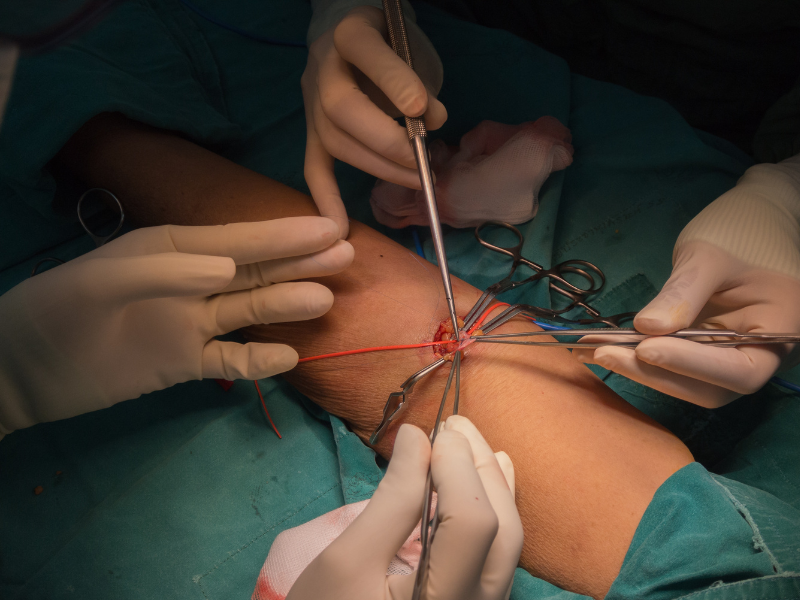
An arteriovenous fistula is a method of connecting the artery and the vein. This is attained through a surgical process. It is usually performed in the arm during haemodialysis; otherwise, the dialysis is ineffective and cannot be performed on the patient, making it one of the most effective solutions in modern medicine.
During dialysis, blood needs to be removed, filtered, and returned to the body efficiently. A properly created AV fistula procedure for dialysis allows smooth blood flow, making the process safer and more effective. Patients looking for AV fistula surgery for dialysis in Vadodara can benefit from a structured approach that ensures proper planning, creation, and long-term functionality of the access.
Patients who undergo surgery to have dialysis access are likely to have symptoms of kidney dysfunction. These symptoms may progressively aggravate unless they are promptly dealt with:
Constant fatigue and weakness.
Pitting edema of the legs, ankles or face.
Shortness of breath
Reduced urine output
Difficulty concentrating
Retention of fluid and weight gain.
Patients with advanced kidney disease who may require dialysis in the future are often advised to create an AV fistula in advance. It is usually created in the upper limb to provide reliable vascular access for long term dialysis treatment. Early planning helps the fistula mature properly before dialysis begins.
Although the symptoms are related to kidney disease, it is crucial to plan dialysis access surgery on time to prevent critical cases and ensure uninterrupted treatment.
Vascular health is the hero out here before a fistula procedure. In simple terms, vascular health refers to the health of your arteries and veins. Everything is correlated; if your artery and vein are working well, then only the fistula method can be employed. Diagnostic procedures can involve:
These tests can be used to choose the most suitable location and conduct a successful AV fistula surgery to allow dialysis that is usable in the long term.
Establishing vascular access is an important aspect of dialysis treatment, and various options can be selected based on the patient’s condition.
It is most desirable that a vein and an artery are joined to create a firm and good access point. It usually offers superior circulation and is less prone to complications.
Where the veins are unsuitable, a synthetic tube can be inserted between the artery and vein to make an alternate point of access.
This is normally a short-term dialysis method used in emergencies, in which a catheter is inserted into a large vein to provide immediate dialysis.
Among them, the AV fistula is a frequently recommended dialysis procedure for long-term treatment because it is effective and reliable.
AV fistula is a surgical procedure, as explained earlier. So, post-recovery care after this process is critical. If this process is successful, then only you can proceed with your haemodialysis. It’s like a chain process; if one link is not proper, the next would be improper for sure.
Post-procedure care includes:
Expert in advanced vascular care.
Excellence in every surgery.
Quick recovery, pain-free.
Detailed explanations, caring nature.
Dr. Hiten Patel combines clinical precision with compassionate care, ensuring every patient feels supported throughout their treatment journey. His approach is focused on delivering not just results, but reassurance and lasting relief.
Expert Diagnosis. Advanced care. better outcomes.
Trusted Vascular Specialists
Minimally Invasive
& effective
Personalized care
for lasting results.
An AV fistula is the anastomosis of an artery and a vein, created to provide a stable access site for dialysis.
The fistula can be used for dialysis in a few weeks or months once it has matured. Normally, it takes 4-6 weeks.
It is usually made in the arm, which is easier to access during dialysis.